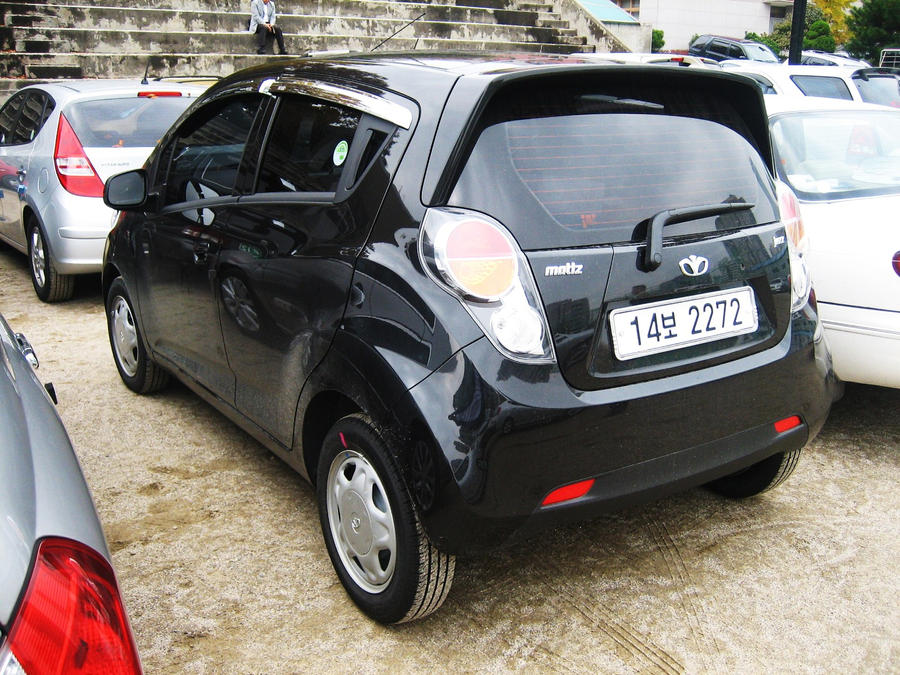
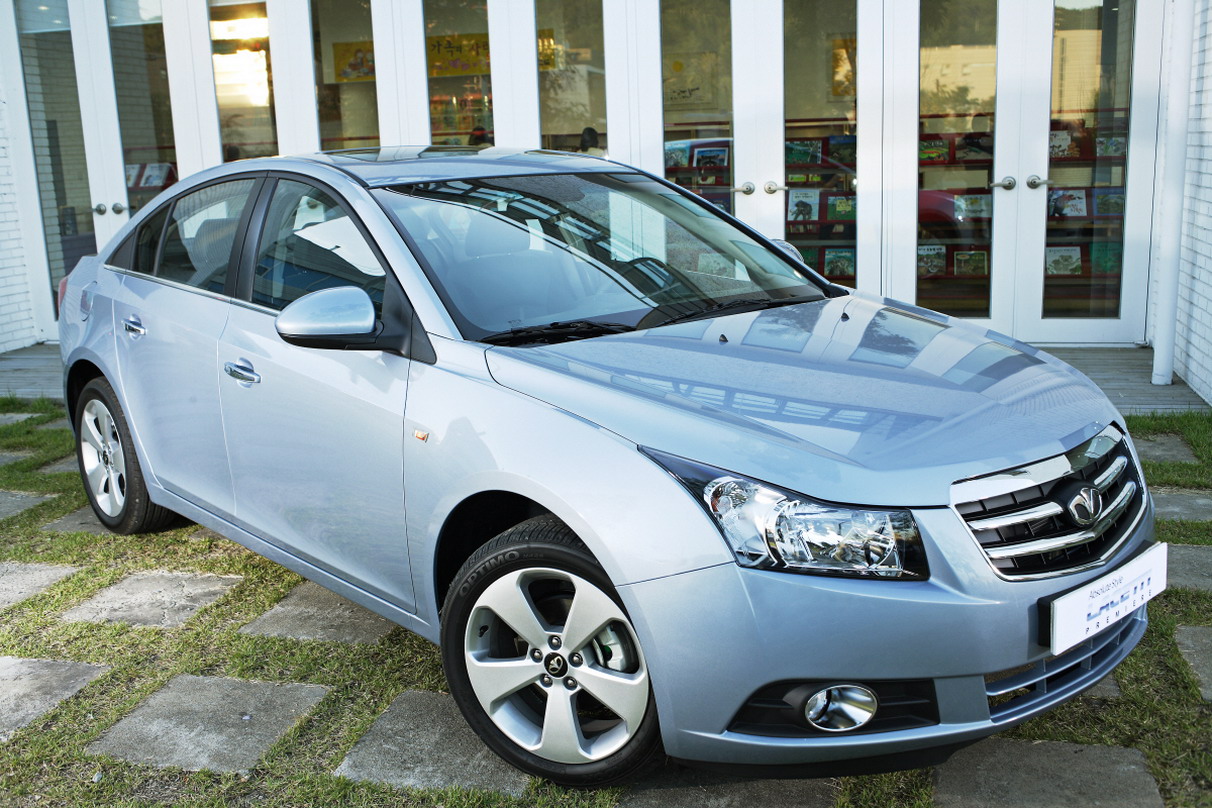
GM Daewoo Auto & Technology (GM Daewoo) launched its all-new global mini-car, the GM Daewoo Matiz Creative.
With its best-in-segment design, performance and safety, the new mini is destined to become an industry benchmark and a winner among consumers in Korea and around the world."
Based on GM's global mini-vehicle architecture, it took 27 months to develop the GM Daewoo Matiz Creative. KRW 295 billion has been invested in the vehicle's development. Following its launch in Korea, the global mini will be sold in over 150 markets around the world including those in Europe, Asia and North America.
Aimed at meeting the highest quality and performance standards in the most sophisticated markets, the global vehicle was put through over 1 million kilometers of intensive durability tests, extreme weather tests, and crash tests both at home and abroad.
With roof-rail curtain air bags and high-strength and ultra-high-strength steel over a majority of its body, the GM Daewoo Matiz Creative ensures segment-leading occupant protection.
With a revolutionary design, advanced technology, segment-leading features and benchmark safety, the GM Daewoo Matiz Creative offers much more than a mini.
The GM Daewoo Matiz Creative is a car that is ideal for those with an urban lifestyle. With the styling of a sporty hatchback, it showcases the new direction of GM Daewoo design and a new trend in the design of mini-cars.
The GM Daewoo Matiz Creative's roomy proportions and dynamic styling are courtesy of its segment-leading length of 3,595 mm, height of 1,520 mm, wheelbase of 2,375 mm, and width of 1,595 mm combined with its "body-in/wheels-out" stance. Dramatically sized headlamps that literally stretch from the front fascia to the back of the hood, with clear polycarbonate lenses and chrome-coated bezels, resemble diamonds, adding an upscale appearance and glamour.
A window line that is slanted dynamically upward, an arching roofline and sharp sidelines bring a sporty yet edgy look, a rarity in the segment. Secret vertical rear door handles located in the C-pillar are another unusual feature. They give the GM Daewoo Matiz Creative a unique, sporty three-door coupe appearance without sacrificing five-door utility.
A first-in-segment offering of an integrated rear spoiler as standard equipment essentially extends the rear roofline, for enhanced aerodynamic performance and provides a stable stance in high-speed driving as well as increased fuel efficiency. Round taillamps with clear polycarbonate lenses add to the GM Daewoo Matiz Creative's strong rear impression.
A chrome-coated radiator grille and fog lamps, outside mirrors with two-tone color, and a refined-looking roof rack are other design cues that transport the GM Daewoo Matiz Creative's styling beyond that of a mini.
GM Daewoo Matiz Creative buyers have a larger palette of exterior colors from which to choose. They may select one of the three sophisticated colors of silver, white or black or go for one of the more traditional mini colors of red, blue, green, brown, orange or ice blue.
Unique Interior Defined By Fun, Fashion and Functionality
The design revolution continues inside the GM Daewoo Matiz Creative. While pursuing a harmonious theme with the dynamic exterior, the interior is more about functionality.
With its wider track and longer wheelbase, the GM Daewoo Matiz Creative provides best-in-segment front legroom, rear legroom, front headroom and rear hiproom, resulting in generous space and comfortable accommodation for five adults.
The flowing interior weaves together the instrument panel, front seats and door trims, creating an environment that is harmonious, uninterrupted and inviting to the senses. An exterior-color-matched instrument panel and door trim appliqu�s offered in red, blue or silver enhance the unified design of the interior and exterior.
The most striking design element in the interior is a motorcycle-inspired dynamic meter cluster. The first-in-segment steering column-mounted instrument cluster combines analog and digital systems, contributing fun and unique styling as well as enhanced visibility and convenience. A trip computer in the dynamic meter cluster is another first-in-segment feature.
Adding to the refined look is an integrated center stack design that eliminates the traditional "picture framing" layout and results in a contemporary, stylish relationship. LED-lit ice blue illumination adds to the urban, edgy styling.
Pattern-printed semi-bucket seats provide a stable feeling when cornering. With high-quality materials and exceptional craftsmanship, they also enhance the luxurious interior atmosphere.
The GM Daewoo Matiz Creative provides upgraded functionality with features such as headrests that can be vertically adjusted up to 65 mm, carbon film-heated seats and various storage places.
New 1,000-cc DOHC Engine Delivers Power and Fuel Economy
Newly developed for the next-generation global mini at GM Daewoo, the S-TEC II engine - a 4-cylinder, 16-valve DOHC engine with a displacement of 1,000 cc - delivers great performance and fuel economy.
The S-TEC II engine includes a series of advanced features that enhance performance. The first-in-segment application of the PDA (Port De-Activation) system ensures high exhaust gas recirculation, resulting in combustion stability at low speeds and optimal performance at high speeds together with improved fuel efficiency. In addition, the PDA system contributes to a reduction in emissions, making the GM Daewoo Matiz Creative a truly eco-friendly vehicle that meets the stringent KULEV (Korea Ultra-Low Emission Vehicle) standard.

Another first-in-segment application is an automatic temperature controller inside the engine, which helps improve fuel efficiency by reducing unnecessary heat loss. A dome-type long-skirt cylinder block narrows the space between intake valves while the application of four resonators reduces engine noise.
Mated with the efficient S-TEC-II engine is a 4-speed automatic transmission tuned to GM's global standards that provides enhanced shifts for an outstanding ride.
Solid Structure and Advanced Chassis Ensure Pleasurable Ride and Handling
The ride and handling of the GM Daewoo Matiz Creative also set it apart from any other vehicle in its segment. Adopting the body-frame integral (BFI) system, the upper body structure and frame are engineered as a single unit, resulting in better feel of the road along with a heightened sense of firmness and stability, and enhanced connectivity between the driver and vehicle.
A McPherson strut front suspension combined with a four-point mounted long engine cradle and a width power reduction spring enhances the solidity of the entire chassis, for improved crash safety and driving performance. A rear compound crank torsion beam incorporates a tubular V-beam for more effective tuning and dynamic performance.
A first-in-segment triple acoustic absorbent structure and special underbody structure prevent noise inflow from outside, for optimal quietness. Wind noise is minimized through the GM Daewoo Matiz Creative's aerodynamic body line and detailed door sealing structure.
Benchmark Safety: Class-Transcending Use of High-Strength Steel
A host of structural enhancements combined with a full offering of active and passive safety systems makes the GM Daewoo Matiz Creative a segment leader in its class.

Its body is the stiffest in the mini segment; 66.5 percent of its body is constructed of high-strength steel or over 16 percent is comprised of ultra-high-strength steel. This ensures the highest level of protection in the segment. The solid structure will play a key role in securing expected four-star ratings in NCAP crash tests in Korea, Europe, and the U.S.
Ultra-high-strength steel applied to the side structure minimizes the chance of the structure deforming in the event of a crash. High-strength steel is also used in the rear body structure to protect passengers as well as the fuel tank, minimizing the possibility of fuel leakage during a collision.
The 4-point mounted long engine cradle protects passengers in the event of a head-on collision by optimally dispersing crash loads. The steering column features an extended impact protection zone to enhance protection of the driver's torso.
The use of H-spider type ultra-high-strength steel bars in the underbody prevents severe deformation caused by a side crash. The tailor-welded blanking method used in the B-pillar ensures maximum protection of passengers' upper bodies. High-strength steel in the rear and first-in-segment rear crash boxes minimize the impact of whiplash.
The roof is especially stiff, for maximum rollover protection. The GM Daewoo Matiz Creative has been developed to withstand up to four times its weight - which goes far beyond industry regulations. As a result, GM Daewoo expects the Matiz Creative to receive the highest ratings in IIHS (Insurance Institute for Highway Safety) crash testing in the U.S.
The GM Daewoo engineers also factored in pedestrian safety. Ample space between the engine and hood reduces the chance of a secondary collision, meeting European safety regulations for the protection of pedestrians.
The first-in-segment application of front-end crash boxes for greater passenger protection adds an economical factor as customers will need to change only the crash boxes instead of repairing the entire vehicle in the case of a low-speed crash. As a result, the vehicle is expected to receive a good grade in the RCAR (Research Council for Automobile Repairs) test for determining customer insurance fees.
Besides driver, front passenger and side air bags, the GM Daewoo Matiz Creative also offers first-in-segment curtain air bags mounted on the roof rails to protect both front and back seat occupants. A 4-channel/4-sensor EBD-ABS system reduces braking distance and helps prevent skidding and rollover. Other safety highlights include seatbelt pre-tensioners, shock-sensitive door locks and rear parking assist sensors with a broad range.
The GM Daewoo Matiz Creative features an array of premium comfort and convenience amenities that one would expect in more expensive vehicles, including:
* Heated windshield wipers
* Roof rack
* Heated automatic outside mirror
* Speed-sensitive automatic door locks
* Tilt steering and a driver's seat armrest
* A particle filter for a pleasant dust-free interior
* 6:4 folding seats
* A wireless remote start key
* Various storage places
* A tire sealant compressor kit
The GM Daewoo Matiz Creative comes in three trim levels: Pop, Jazz, and Groove. It is priced from KRW 9.06 million for the entry-level Pop, from 9.44 million for the Jazz and from KRW 10.09 million for the Groove. (All prices include a 4-speed automatic transmission.) A manual transmission will be available starting early next year, giving consumers in Korea and overseas markets another option.


 The Daewoo Matiz is a city car produced by the South Korean automaker GM Korea, marketed worldwide since 1998 when it replaced the Daewoo Tico. It is available solely as a five-door hatchback with two engine configurations. The Matiz was originally designed by Italdesign Giugiaro, and has received two facelifts. Various generations of the car have been sold under both Daewoo and various GM brands, and have been manufactured and marketed under license agreements by local automakers in several countries. The Matiz was built between 1998 and 2006 over 2.3 million units[1] in the world. The Matiz was at the center of a 2006 international intellectual property rights controversy, with the design of the M100 copied outright by Chinese manufacturer Chery in its QQ. The production of Daewoo Matiz started in 1998 and it was sold in South Korea and many European markets with the code name M100. The exterior design is based on the Lucciola, a Fiat Cinquecento concept by Italdesign Giugiaro which had been rejected by Fiat. The 0.8-litre gasoline engine and the transmission were carryovers from the Daewoo Tico. Engineering was carried out at Daewoo's Worthing Technical Centre in England. The car became the best selling Daewoo model in Europe and in India for the next four years. The Matiz was originally launched with just a 0.8 L 3-cylinder engine. This engine was developed from the TICO unit by Tickford, a UK company based in Milton Keynes. The Tickford connection was acknowledged in the brochures distributed in UK showrooms.
 In 2005 the Matiz received substantial modifications (M200), previewed by the Chevrolet M3X concept car shown at 2004 Paris Motor Show. The upper body was significantly revised based again on a design from Italdesign Giugiaro, the S-Tec engines were updated and the car's drag coefficient was lowered, resulting in better fuel economy. The interior was also significantly revised, one notable feature of this car being its centre-mounted instrument cluster. The platform was also revised, with a twist-beam rear suspension system replacing the previous 3-link beam axle, and the front suspension making use of cast, rather than pressed and fabricated, lower control arms. In 2008, the 800cc engine was revised to fall below the 120g/km level, thus qualifying for the UK's £35 road tax band and no London Congestion Charge. In Europe it was sold under the name Chevrolet Matiz but in Italy exist the LPG version was called Chevrolet Matiz Eco Logic. The Matiz Eco Logic was built from 2007 to 2010 in over 60,000 vehicles by BRC Gas Equipment in Cherasco, Cuneo (Italy). In South Korea, where it is sold only with a 800 cc engine and following the introduction of M300 Matiz (Matiz Creative), the M200 Matiz was renamed to Matiz Classic. Chevrolet Spark LPG: was a version for the Indian market with Sequential Injection-type LPG kit. Available models include 1.0L PS and 1.0L LS. The car was unveilled on World Environment Day in New Delhi. The 2005 Chevrolet Matiz scored three stars (with one strike through) in the EuroNCAP crash test: "The final adult occupant protection star is struck through because there was an unacceptably high risk of life-threatening injury to the chest in side impact." In contrast, the pre-2005 Daewoo Matiz was awarded 72% in the side impact Euro NCAP. In Europe, the Matiz is equipped with front seatbelt pretensioners, front seatbelt load limiters, driver and passenger frontal airbags and ISOFIX rear anchorages.

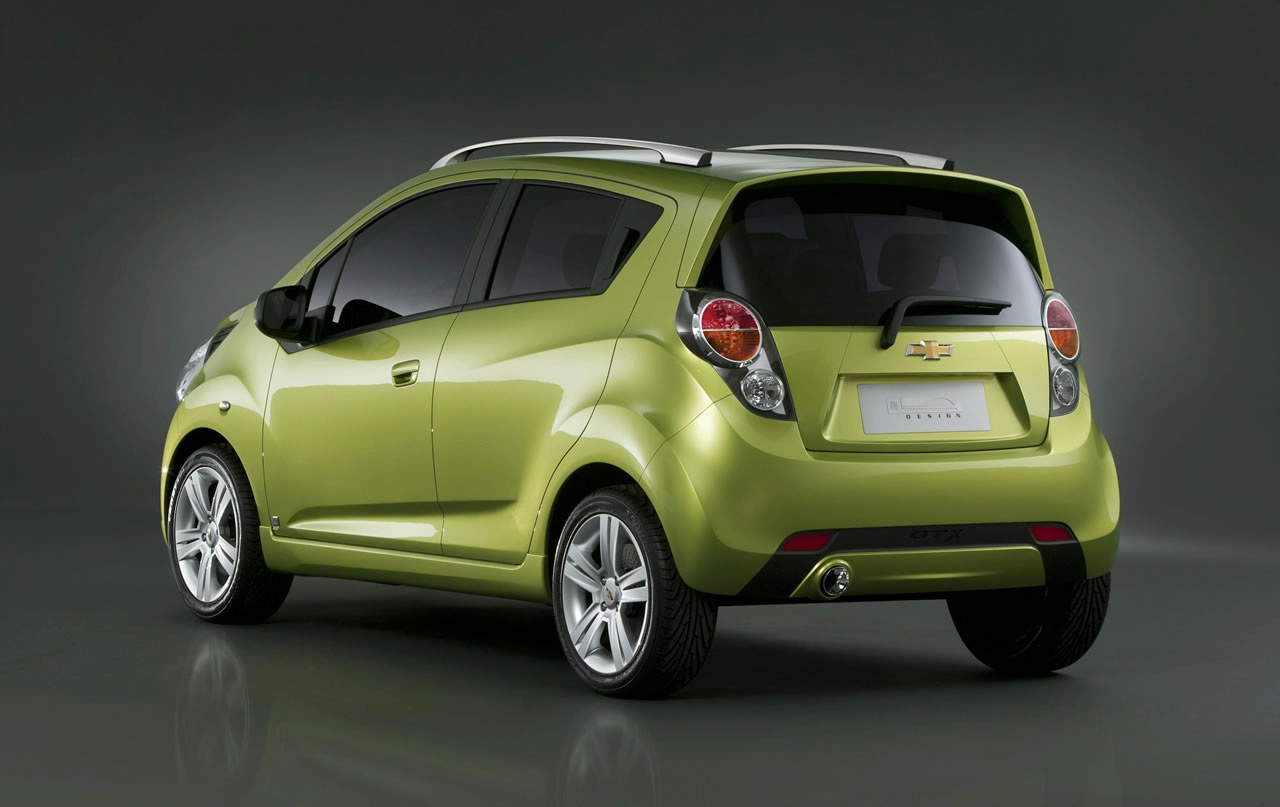 The Chevrolet Beat was unveiled at the 2007 New York International Auto Show alongside two other concept vehicles, the Trax and the Groove. The Beat is a front-drive, three-door hatchback concept, derived from the Daewoo Kalos. It was built in India, and designed by GM Daewoo in South Korea. It is powered by a 1.2 L turbocharged gasoline engine mated to an automatic transmission. The Beat concept sports a Vertigo Green exterior paint job with the same hue carried over to parts of the interior. Its profile is high at the rear and tapering down evenly to the front of the grille. Headlights that appear to extend all the way from the base of the grille to the base of the windshield are LED-type. Oversize 17 inch wheels barely hide the matching green paint of disc brakes. Twin taillights that extend upward to the back-up lights are also LED's. In early 2007, GM conducted a poll testing the relative popularity of the Beat, Trax and Groove concepts on a Chevrolet website, with the Beat receiving nearly 50% of the vote, which ultimately determined the car making it into production. This car was designed to appeal to young car buyers in urban markets, infusing the energy, diversity and excitement of urban life into a car that would deliver good-looking fun, fuel economy and value. GM presented a pre-production version of the Chevrolet Beat carrying the Chevrolet Spark nameplate at the 2009 North American International Auto Show. The production version was announced at the 2009 North American International Auto Show, but only the Beat concept was shown at the time. The production Chevrolet Spark was unveiled at the 2009 Geneva Motor Show. It is expected to be available in the first quarter of 2010 in Europe, followed by other markets worldwide, with US sales set to begin in early 2012. Commercial production of a 5-door Chevrolet Beat started from December 15, 2009, in Halol, India. It was launched in India on January 5, 2010, during Auto Expo New Delhi, India. The GM Daewoo Matiz version was unveiled in Seoul Motor Show 2009. The Holden version, named Barina Spark, was revealed at the 2010 Australian International Motor Show in Sydney in October. A photo was revealed on October 8. The Auto platform was replaced by GM Gamma platform, developed by GM Daewoo engineers.