Get Paid To Promote, Get Paid To Popup, Get Paid Display Banner -->
Showing posts with label industry. Show all posts

Tuesday, February 15, 2011

Saudi, Isuzu plan $133m car factory

Saudi Arabia has signed an agreement with Japan's Isuzu Motors to set up a car and truck manufacturing factory, costing around 500 million riyals ($133 million), state news agency SPA said.

Production will begin in the fourth quarter of 2012 with initial output of 600 trucks, the project manager was quoted as saying in the statement. The plant will be located in Dammam.

"Expansion in the project will raise production to 25,000 trucks annually by 2017. The company will work to export 40 percent of production to international markets," Qusay Al-Abdul Kareem said.

Saudi Arabia imports around 600,000 cars annually, SPA said.

Top Opec producer Saudi Arabia, the largest Arab economy, is heavily dependent on oil and is trying to diversify its revenue to other sources.

In December, King Saud University in Riyadh signed a memorandum of understanding with a South Korean car manufacturing firm to set up a new company with a capital of about $500 million.

A prototype of an economy model car designed for local use will be ready within two years and may later be exported to Gulf and North African countries, the university's president said at the time.

Wednesday, December 8, 2010

Iran unveils mass production lines of tactical vehicle, mortar system

Iran unveiled mass production lines of 3.4 tone tactical vehicle dubbed "Kaviran" and 120mm mortar system of "Razm" as the country is marking the 4th day of its Holy Defense Week on Saturday.

"Kaviran can be used in uneven paths and it increases operational power of armed forces in ground battles," Iranian Defense Minister, Brigadier General Ahmad Vahidi said in the unveiling ceremony of the defense projects.


The vehicle can pass across river with 70 centimeter depth and is able to work as troop carrier, ambulance, 107mm rocket-launcher and 120mm mortar carrier, he added.

Vahidi continued, "120mm mortar which is of long-range class has already been produced with the range of 6200 meter, but the range is increased to 16 kilometers (the range is doubled) with efforts of Iranian Defense Ministry experts."

The system is very powerful and agile and can be placed on Kaviran tactical vehicle, he noted.

Wednesday, October 27, 2010

Iran hybrid car ranks third in 2010 EHI

A hybrid car designed and made by Iranian students has ranked third in the 2010 Formula Electric and Hybrid Italy (EHI) held in the city of Turin.

Hakhamanesh H.V., made by Iran's Sharif University students, took part in the event's class 2H categories and stood third after mecc-H2 and PicoFarad Racing Team by Italy's Polytechnic University of Milan and Turin respectively.

Iran's four-wheel automobile has a composite body, weights 600 kilograms and can travel up to 90 kilometers an hour, ISNA reported.


The vehicle's eight batteries can be charged by urban electricity; it is almost noiseless and does not pollute.

EHI is an international competitive and sports event found by the Assiciazione Tecnica Dell'Automobile in 2005 in an effort to promote innovative activities in academic institutions across the world, which can improve the energy efficiency of vehicles supplied by different energy sources.


International teams from universities and technical institutions take part with vehicles completely designed and made by them. Their products are tested for endurance, acceleration, energy consumption, autocross and climbing abilities.

The teams are then evaluated and awarded by the Technical Committee, based on the characteristics and performance of their vehicles, their level of innovation and industrial potentials.


The 2010 edition of the Formula Electric and Hybrid Italy (EHI) was held from October 7 to 10.

Wednesday, October 20, 2010

Official: 2011 Dodge Journey


Chrysler is continuing to update its lineup with fresh interiors and engines. The 2011 Dodge Journey is powered by a new 3.6-liter Pentastar V6 that delivers 20% more boost than the previous unit. With this engine, the 2011 Dodge Journey develops 283 hp and 260 lb.-ft. of torque. The power is sent to the wheels via a six-speed transmission.

The exterior of the 2011 Dodge Journey hasn�t received many upgrades, shy of the new Dodge brand grille surrounded in black honeycomb with some enlarged foglights in the lower fascia.� Dodge teases that the new V6 models will include a sportier front fascia with late availability for those models and you can see from the picture in the slideshow on the left that very little has changed on the outside of the 2011 Journey� but the inside is another story.

The interior remains a five- or seven-seat configuration, but gets what Dodge calls "world-class levels of craftsmanship and comfort." If the Journey follows on the success of the 2011 Jeep Grand Cherokee and Dodge Durango, the claim may not be far off the mark. The new Journey interior redesign includes a larger instrument cluster with a center-positioned, full-color electronic vehicle information center, a center stack that's sculpted to be more comfortable for the driver's knees, more cushioning on the center console, redesigned seats, repositioned cupholders, a larger center storage bin, and a range of six new interior colors and trims.

Revised steering and suspension geometry round out the mechanical updates for the tweaked Journey, along with reduced noise, vibration and harshness thanks to higher-quality sound-deadening materials.


2011 Dodge Journey 2011 Dodge Journey 2011 Dodge Journey 2011 Dodge Journey


Press Release

2011 Dodge Journey Crosses Over: A Gorgeous New Spirit and a Driver�s Soul


It's not over yet. Dodge continues to unleash new products to the market, today introducing the new 2011 Dodge Journey, its mid-size crossover with "right sized" proportions, five- or seven-passenger seating, innovative storage solutions, abundant safety and security features, all-wheel drive capability and models packaged for a variety of lifestyles.

For 2011, Dodge takes what was good and makes it better. The Dodge Journey receives a major overhaul with a completely redesigned and retuned suspension, a new V-6 engine and a gorgeous new interior. And that's not all. Journey also features the latest and greatest in vehicle connectivity and customization with the Chrysler Group's new PowerNet electrical architecture. Owners will feel like they have the world at their fingertips with the Journey's available touch-screen command center, Uconnect Touch.

From navigation to dual-zone climate controls to the ability to check fuel prices, the all-new Uconnect Touch media center makes life in the new 2011 Dodge Journey an excellent adventure for the driver and passengers. Four Uconnect Touch models are available, all featuring easy-to-use controls and class-leading technology. With its touch-screen display and user-friendly touch-key categories, connecting and controlling personal devices is simple, intuitive and customizable.

The 2011 Dodge Journey is nimble, composed and handles well in all driving and road conditions. Chrysler Group engineers improved routine ride handling by re-engineering the suspension geometry, adding new, improved premium tires and redesigning the steering for a more precise and coordinated response. Overall, customers will be treated to an energetic, fun-to-drive experience behind the wheel.

In addition, at 283 horsepower and 260 lb.-ft. of torque, the 2011 Dodge Journey equipped with the new 3.6-liter Pentastar V-6 engine delivers a 20 percent boost in power compared with the V-6 engine it replaces. It's mated to the smooth-shifting six-speed transmission.

Drivers also will be treated to a smooth, quiet ride. Engineers reduced noise, vibration and harshness by installing new, premium sound-deadening treatments and insulation throughout the vehicle.

But perhaps the most rewarding surprise is Journey's new interior. Customers will step into world-class levels of craftsmanship and comfort. A beautifully crafted one-piece instrument panel sets the tone. A new, larger cluster with standard electronic vehicle information center (EVIC) is positioned in the center of the new gauges. It's a full-color display backlit in Dodge red lights, giving it a soft glow unlike any in the segment. New, integrated center stack bezels are less angular and more sculpted, and designers softened the radius to make more room for the driver's knees. The heating and cooling outlets are also redesigned to make them better looking and better functioning.

The center console gets a lot of extra cushion on the tilt-and-slide armrest. Lift the lid, and there's a larger center storage bin with a 12-volt outlet and USB port where owners can hook up their MP3/iPod charging connections and hide them away.

The design team also worked to make the Journey's interior more comfortable. They moved the shifter and cupholders, making it easier for drivers and passengers to get their coffee and soda without having to lean over and under the dash. There's also a larger front storage bin with side nets. The new multi-functioning three-spoke Dodge brand steering wheel with integrated controls and a wider, longer, soft-touch armrest transform the driver's seat into a cockpit-like experience. Comfortable new seats might just make drivers want to take the long way home to get a little extra seat time. The Dodge Journey offers six new interior color and trims to complete the makeover.

On the outside, Journey maintains its sculpted, clean, aggressive lines, and adds a new front fascia that sports the signature Dodge Brand "split crosshair" honeycomb grille. The fog lamp bezels are bigger and bolder, and Journey models with the Pentastar 3.6-liter V-6 get a new, unique more aggressive lower fascia with the honeycomb texture in the grille (late availability). New 19-inch wheels, a new, less angular rear fascia and "ring of fire" LED taillamps wrap it up from front to back.

Journey also is loaded with an abundance of safety and security features, including: standard advanced multi-stage front passenger air bags, active head restraints, electronic stability control (ESC) with all-speed traction control, electronic roll mitigation and brake assist, new driver-side knee blocker air bag, supplemental side-curtain air bags covering all three rows, supplemental front-seat-mounted side air bags, four-wheel anti-lock disc brakes, LATCH child seat anchor system and trailer sway control.

The Dodge Journey is built in at Chrysler Group LLC's Toluca Assembly Plant in Toluca, Mexico. It will arrive in U.S. dealerships in fourth quarter of 2010.

Saturday, July 3, 2010

First flying car wins permit in US

A light aircraft that can convert into an automobile has been allowed into US skies to help a long dreamed-of "flying car" come true.

Whether it is to avoid a traffic jam or just get to a destination faster, the idea of combining a car and plane or having a flying gear has always been appealing.

A private aircraft manufacturing company based in Woburn, Massachusetts, has blended the two modes of transport quite well in its roadable Terrafugia Transition.

According to Terrafugia Inc., the vehicle can fly a distance of up to 640 kilometers (around 398 mile) on a single tank of gas at a cruising speed of 185 km/h. Upon landing and with its wings folded up, it can also drive highway speeds on the road.

It is also permitted to take off a maximum weight of about 650 kilograms, which is 50 kilograms above the limit for the Federal Aviation Administration (FAA) light sport aircraft category.

Terrafugia won a key federal approval for its flying car which has already completed flight tests to become the latest manifestation of a long-running fantasy.

The significant innovation now fills a blank in humans' life which existed almost as long as there have been automobiles.

The company will begin production later this year with about 20 vehicles.

Terrafugia said it has collected $10,000 deposits from more than 70 potential buyers for the $194,000 craft with the first flying car expected off the production line in 18 months.

Wednesday, June 30, 2010

Half-owned by Bahrain, the supercar offshoot of Formula One giant McLaren is gearing up for the launch of a spectacular new model

IN MARCH, when Formula One world champions Lewis Hamilton and Jensen Button unveiled the supercar (picture above) which the McLaren Group hopes will see them take their motoring success off of the circuit and on to the road it was hailed as a display of the best of British.

But the McLaren MP4-12C, the high-performance road car that the new McLaren Automotive marque will begin to produce in 2011, has been put together with strong support from within the Gulf.


Monday, June 28, 2010

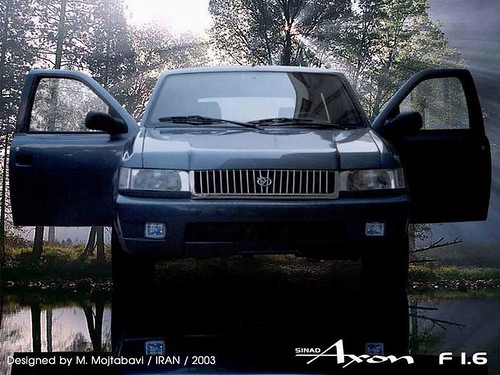
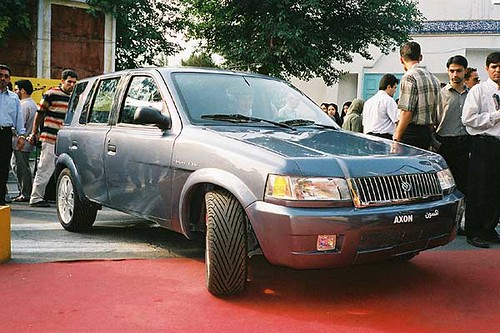
Sinad Khodro: Another Made in Iran's Car

This car is one of the best Iranian built cars (that's right, Iran does build cars) on the market there. It comes in two body styles: hatchback and coupe. Only a couple of years ago, the only cars seen on Iranian roads were the ancient and unrefined Paykans.

Rivers of these rebaged Hillman Hunters (remember those old 70's cars?) flowed through the country. Now, things are starting to improve with the new Samand on sale and the Sinad. The Samand is a car that was built with the help of French corporations. It is much better than the Paykan, but it can't compete with American autos. There are other cars sold in Iran too, like Renaults and Nissans. For more info, go to www.irkhodro.com or www.kishkhodro-sinad.com.

Saturday, June 12, 2010

GM Backtracks On Plan To Nix Chevy Nickname [Video]


General Motors Co. on Thursday backed off a "poorly worded" internal memo that asked employees to refer to the brand only as "Chevrolet" -- not its long-standing nickname -- in an effort to create consistency.

In the original memo, employees were discouraged from using the "Chevy" nickname for the Chevrolet brand. GM later issued a statement to clarify the intention of the memo, saying that it was only meant to help establish Chevrolet as a global brand and that employees needed to be more focused in their communications in referencing the brand.

General Motors said " 'Chevy' will continue to reflect the enthusiasm of customers and fans."
Advertisement

The internal memo was part of an effort to develop a consistent brand name as it establishes a significant global presence.

In a video also issued by GM to correct itself, Alan S. Batey, vice president for Chevrolet sales and service, said, "Chevy is our nickname. It comes from selling vehicles here in the U.S. for 100 years. We love it when people call us Chevy." Batey was one of the two GM officials who signed the original memo.

On Facebook, brand pages include Chevy Camaro, Chevy Silverado and Team Chevy.

General Motors also stated that they were reconsidering resurrecting the talifin. A sudden resurgence of the love for the 1959 Chevrolet is rumored to be the reason.


Press Release

Statement on the use of Chevrolet and Chevy

"Chevy" will continue to reflect the enthusiasm of customers and fans

2010-06-10 DETROIT -- Today's emotional debate over a poorly worded memo on our use of the Chevrolet brand is a good reminder of how passionately people feel about Chevrolet. It is a passion we share and one we do not take for granted.

We love Chevy. In no way are we discouraging customers or fans from using the name. We deeply appreciate the emotional connections that millions of people have for Chevrolet and its products.

In global markets, we are establishing a significant presence for Chevrolet, and need to move toward a consistent brand name for advertising and marketing purposes. The memo in question was one step in that process.

We hope people around the world will continue to fall in love with Chevrolets and smile when they call their favorite car, truck or crossover "Chevy."

Saturday, June 5, 2010

Volvo Concept Truck 2020


Swedish manufacturer Volvo Trucks recently unveiled the Volvo Concept Truck 2020 design concept, The Volvo Concept Truck 2020 displays a long distance vehicle, which can be combined in length, equipped with autopilot. The Volvo Concept Truck 2020 will be able to drive non-stop in nose-to-tail convoys that run at 90 km/h (56 mph) while the cars communicate with each other via a wireless connection.

Moving on to driver�s comfort, the driver�s seat looks more like a modern office chair with a thin ventilated mesh backrest. Behind the driver seat you will find a futon sofa which can be turned into a wide comfortable bed. The luxury experience is further complemented by the customizable lighting that can be changed as per in-cab tasks or resting. The driver may also control the privacy screening and blackout electronically.

Outside, the concept truck features LED headlamps and turn indicators that are integrated into the front of the vehicle. The rear-view mirrors have been replaced by cameras, while images are projected onto the inside of the windscreen.

The Concept Truck 2020 has rear-view cameras that project an image onto the inside of the windscreen and helps the driver to orientate better, LED headlamps and indicators, and collision protection panels on the truck's nose.


Volvo Concept Truck 2020 Volvo Concept Truck 2020 Volvo Concept Truck 2020 Volvo Concept Truck 2020 Volvo Concept Truck 2020 Volvo Concept Truck 2020 Volvo Concept Truck 2020 Volvo Concept Truck 2020 Volvo Concept Truck 2020 Volvo Concept Truck 2020 Volvo Concept Truck 2020 Volvo Concept Truck 2020 Volvo Concept Truck 2020 Volvo Concept Truck 2020 Volvo Concept Truck 2020


Press Release

TRUCKS OF THE FUTURE; CLOSER TO REALITY THAN YOU THINK

Progress is getting ever faster. In just ten years' time trucks are going to be a lot different to those of today. At least that is according to Rikard Orell, Design Director at Volvo Truck Corporation and one of the brains behind Concept Truck 2020, the Volvo Truck Corporation's bold vision for the future.

Long distance haulage for the future: long combinations, controlled by autopilot, driven non-stop in nose-to-tail convoys on green super-motorways linking the continents.

This is the vision of the future that generated the ideas behind the Volvo Concept Truck 2020 design concept. But will it really look like this in just ten years?

"That is the whole point," says Rikard Orell Design Director at Volvo Trucks. "Progress is getting ever faster. Because of this our vision for the future is not that far away. Much of the technology in the Volvo Concept Truck 2020 is already available; other technology needs to be developed. One needs to dare to stride firmly into the debate, demonstrating what one can and will do. Just tinkering at the edges runs the risk of progress slipping away."

Safer and more efficient commercial transport

As road transport expands it must also become safer and more efficient. Volvo's design concept contains ideas about how that can be achieved. Some of these ideas can be integrated into production today, while others are there to arouse interest and start a discussion.

One of the more startling ideas is to link vehicles together wirelessly into long road-trains that rush across the continents at 90 km/h (56 mph).

"This will be possible when the transport sector's vision of green corridors becomes reality," says Rikard Orell. "Here heavy goods vehicles are separated from other traffic, driving in their own lanes, rather like a railway, but without the rails."

There are many advantages. Road safety increases, transport services require less space and wear and tear on the roads decreases. Fuel consumption and CO2 emissions drop thanks to reduced drag when a truck is in the slipstream of the vehicle in front. In addition the driver can rest behind the wheel while the truck effectively drives itself. If this is counted as idle time, transport times can be cut, deliveries will be made more quickly and drivers can get back to their friends and families earlier.

Spacious and airy driver environment

The driver is at the centre of Volvo's world. It goes without saying that a design concept from Volvo Trucks contains a great many ideas about the development of the driver environment. In the Volvo Concept Truck 2020 the driver's environment is spacious, airy and free of disruption.

"We have replaced the traditional dashboard with a thin film panel on which information is tailored to suit the driver," says Rikard Orell. "The panel is operated like a touchpad, just like an iPhone. We have saved a lot of space that way."

Another space-saving idea is the sleek driver's seat with its thin, ventilated mesh backrest, more like a modern office chair than a traditional driver's seat. Behind the driver is a futon sofa which folds out into a wide, comfortable bed in the evening.

The lighting in the cab is divided into zones customised for the driver's various in-cab tasks, or for resting. Around the driver are large areas of glass providing good visibility out of the vehicle and even into it. This benefits eye contact between the driver and other road users preventing accidents. Privacy screening and blackout in the evening are also controlled electronically.

Aerodynamic collision protection

The design team also aimed for a sleek look for the exterior, reducing the perception of the vehicle's size. The LED headlamps and indicators are integrated into the front of the vehicle. The rear-view mirrors have been replaced by cameras that project their images onto the inside of the windscreen.

The lower section of the front of the vehicle features integrated collision protection projecting forwards about half a metre. This �nose' is gentler on oncoming cars in the event of a head-on collision and has also been shown to improve the aerodynamics of the vehicle.

As Rikard Orell points out, "Because the nose is a safety function, our starting point has been that it does not count as part of the maximum permitted vehicle length, just as rear-view mirrors today are outside the maximum permitted width."

Some things you just do not change. The �Globetrotter' sign on the roof is still there, but has been redesigned so that it harmonises with the lines of the vehicle and reduces drag. The driver can also change the text on the sign from the instrument panel.

The rear end is the next stage

So work on the external design focuses largely on aerodynamics, but by how much is it really possible to reduce drag on a truck ?

"We have come so far with the front of the vehicle that further changes to the basic shape provide only marginal improvements," says Rikard Orell. "However, a lot will happen when we start work on the design of the rear end of the vehicle. There is a great deal of untapped aerodynamic potential there."


Saturday, March 27, 2010

Signalauto.net ready to support "mobnas project"

In their release in "mobnas" facebook, signalauto.net express their support and readiness to take part in the building of "mobnas project".

signalauto.net or SIGNAL KUSTOM BUILT was found in Bandung, Indonesia. Opened in 2005, They became the leader in auto modification and custom painting in town. They had rebuilt and won many contest cars, especially well known by the extreme transformation of �97 Panther Pick Up into Hummer H2 SUT. With their product quality, team creativity, and variety of design, they could transform any vehicle into a unique work of art.

More

Tuesday, March 23, 2010

Pelan Tapi Pasti, Mobnas Akan Terwujudkan

Usaha menciptakan mobil Indonesia dengan harga terjangkau terus berlanjut. Riset menjadi unggulan nasional.

Pagi itu, 18 September 2003, langit di Lingkungan Industri Kecil (LIK) Takaru, Kelurahan Dampyak, Kecamatan Kramat, Kabupaten Tegal, terlihat cerah. LIK, yang berdiri sejak 1982 di atas lahan lebih dari 9 hektare, mulai terlihat denyutnya. Ramai dengan suara mesin las, bubut dan gergaji yang menderu. Suara riuh ini seakan menyambut pencanangan proyek kerja sama produksi dan pemanfaatan engine multiguna antara PT Surya Pantura, Badan Pengkajian dan Penerapan Teknologi (BPPT) dan Pemerintah Kabupaten Tegal, yang ditandatangani pada hari yang sama.

Berbeda dengan proyek mobil nasional (Mobnas) -diputuskan melalui Inpres No. 2/1996- yang mengimpor langsung produknya dari Korea Selatan, dalam rencananya kali ini, Kamsi Ranosaputro, Direktur Utama PT Surya Pantura, tidak muluk-muluk. Ia ingin melibatkan industri hulu sampai hilir yang ada di Tegal dengan melibatkan ratusan pengusaha kecil yang tergabung dalam Lingkungan Industri Kecil (LIK) Takaru melalui cluster system. Menurut Dinas Perindutrian Perdagangan dan Tenaga Kerja. Kab. Tegal, 2.761 perajin logam akan terserap dalam proyek ini. Rancang bangun mesinnya 100% dikerjakan oleh putra Indonesia. Produknya berupa mobil angkutan ekonomis yang terjangkau bagi dunia usaha. Bekerja sama dengan Badan Pengkajian Penerapan Teknologi (BPPT), Kamsi menjagokan mesin aluminium mulitiguna 500cc.

Mesin ini dirancang oleh nama yang tak asing lagi di industri otomotif nasional, Suparto Soejatmo, Presiden Direktur PT Indo Tekno Mandiri (ITM). Mantan Direktur Utama PT Timor Distribusi Nasional ini memperoleh bantuan dari DR. Utama H. Padmadinata, Director For Material Technology Center, BPPT dan tim. ITM telah menghasilkan sejumlah mesin yang beberapa di antaranya sudah diproduksi masal.

Mobil Indonesia

Dalam wawancara dengan BusinessWeek Indonesia bulan lalu, Suparto bersemangat mewujudkan proyek ini guna menghadirkan mobil yang bisa dibeli oleh masyarakat. �Mobil Indonesia�, demikian Suparto menyebutnya. Mesin 500cc sengaja dipilihnya,�Supaya tidak head on dengan saudara-saudara tua kita,� tuturnya. Di Indonesia saat ini belum ada mobil yang bermain di kelas 500cc. Pesaing terdekatnya adalah Daihatsu Ceria 600 cc. �Tapi itu di Malaysia. 600cc versi yang paling murah, di sini mereka tidak masuk,� ujar Suparto. Selain cc yang rendah, desain mobil juga dibuat serbaguna. �Sehingga selain bisa untuk mobil penumpang, mobil ini juga bisa dipakai untuk mengangkut produk-produk pertanian,� tuturnya.

Kemampuan Suparto untuk merancang bangun mesin tidak lagi diragukan. Ia sudah merancang 4 buah mesin, diantaranya adalah mesin 1 silinder disel horizontal�yang sudah menjadi prototype dan diproduksi untuk alat pertanian oleh PT Nefa, di Tegal�mesin disel 1600cc dan 1300cc 4 silinder Indirect Injection (IDI) dan mesin disel 5 silinder 2500cc Direct Injection, twin cam, 4 valve yang dilengkapi turbo intercooler, serta mesin motor bensin 2 silinder 500 cc, yang sekarang menjadi proyek unggulan RUSNAS (Riset Unggulan Strategis Nasional) BPPT. �Dengan blok yang sama, mesin itu bisa menjadi mesin disel dengan perubahan yang sangat minor, dan bisa double, ke gas dan bensin,� ujar Suparto.

Kerjasama Suparto dengan BPPT dimulai pada 2001. Saat itu Suparto diundang BPPT untuk menghadiri satu seminar mengenai riset material. Di sana Ia bertemu DR. Utama, Direktur Teknologi Material BPPT. Proyek mesin aluminium yang dikerjakannya mendapat dukungan dari material yang kebetulan telah dikaji BPPT. Posisinya sebagai salah satu Ketua Jaringan Usaha Mandiri Indonesia (JUMI) kemudian membawanya bertemu dengan Menristek Hatta Rajasa dan membuat proyek ini menjadi Riset Unggulan Nasional (RUSNAS).

Menurut Utama, dalam wawancara dengan BusinessWeek Indonesia, program RUSNAS yang dimulai pada 2002 merupakan bentuk dari misi BPPT menjadi agen pembangunan dan mitra terpercaya bagi industri di bidang teknologi. Proses merancang mesin dan membuat prototype engine pertama, telah selesai Desember, 2003. �Kalau dilihat dari siklus mesin, kita tidak mulai dari nol,� ujarnya, karena itu, setelah proses rancang bangun mesin dari PT ITM jadi, �BPPT punya kewajiban untuk mewujudkannya,� tambahnya lagi. Dari prototype pertama, menurut Utama, akan dilakukan modifikasi dan pengujian di Balai Teknologi Thermodinamika Motor dan Propulsi. Pengujian ini meliputi simulasi beban, tanjakan, turunan dan emisi. Setelah itu baru diuji jalan. �Kita sudah ada satu MOU dengan Kancil, yang sekarang menggunakan mesin dari Jepang,� ujarnya.


Rp2,5 miliar

Kementrian Riset dan Teknologi bertanggung jawab atas dana program RUSNAS ini. Pada 2002 BPPT dan ITM telah memperoleh bantuan sebesar Rp500 juta, ditambah Rp1 miliar pada 2003.. Tahun ini, BPPT berencana mengajukan dana sebesar Rp 1 miliar untuk pembuatan prototype tahap ke-2. Dana ini menurut Utama tinggal menunggu persetujuan dari Direktorat Jenderal Anggaran, Departemen Keuangan.

Masalah pendanaan ini pula yang jadi keluhan Suparto. ITM mengajukan dana Rp1,5 milyar untuk rancang bangun prototype kedua,. �Kalau anggarannya ditekan, produksinya akan jelek,� ujar Suparto. Biaya terbesar ada di pengadaan peranti lunak asli yang seharga $70 ribu. Menurut DR. I Nyoman Jujur, Material Engineer, BPPT, apabila dana tersedia, diharapkan target uji tahun ini bisa terlaksana. �Selanjutnya kita akan membuat kira-kira 10 prototipe lagi,� tutur Nyoman. Pada Oktober tahun ini, BPPT akan mencoba mengganti penggunaan bahan bakar bensin dengan bahan bakar gas. �Kita juga mencoba mengganti karburator menjadi injection untuk mengantisipasi aturan pemerintah pada 2005,� tuturnya.

BPPT menargetkan konten lokal di atas 90%. Dengan kondisi ini, menurut Utama, proyek ini bisa bermanfaat bagi industri komponen di Tanah Air dan menciptakan lapangan kerja. �Itulah tujuan utama BPPT, sehingga IPTEK benar-benar bisa teraplikasi ke masyarakat,� ujarnya. Untuk mewujudkannya butuh waktu yang panjang. �Secara bertahap bisa 10 tahun,� ujar Suparto. Ketika mesin sudah jadi semua lalu tergantung pada investor seperti Kamsi. �BPPT bukan investor, mereka membantu kita. Kalau tidak ada BPPT pun kita jalan, tapi pelan-pelan,� ujar Suparto. Dengan adanya BPPT dan RUSNAS proyek ini diharapkan lebih cepat terlaksana.

Kuncinya ada di niat politik pemerintah. Menurut Suparto, harus ada komitmen bersama dari pihak-pihak terkait, termasuk lembaga internasional supaya tidak ada pihak yang merasa dirugikan. �Kita tidak akan minta proteksi. Tapi pemerintah bisa bilang ke WTO untuk mobil 500cc, pajaknya sekian,� ujarnya. Suparto juga tidak takut bersaing. �Saya siap diadu, kalau mesin saya jelek, masak ada orang Iran datang ke saya, juga orang Turki dan China?� tambahnya lagi. Rancang bangun mesin PT ITM, menurut Suparto, selalu memakai standar internasional. �Tapi ada yang saya rubah sehingga cocok dengan iklim yang ada disini,� ujarnya. Mesin 1240 cc, yang dulu dipesan untuk Timor�dan rencananya menjadi proptotype mobil nasional�kini telah jadi dalam bentuk satu unit mobil utuh dan sudah digunakan.

Dari sisi investor, Kamsi menyatakan siap. Walau tidak menyebut angka, PT Surya Pantura menurut Kamsi sudah mengalokasikan dana untuk memproduksi 5000 unit mesin per tahun. Kegiatan pabrikasi untuk proyek otomotif ini, menurut Kamsi, sudah dipersiapkan sejak November tahun lalu dan rencananya dimulai pada Juni tahun ini. Dari sketsa yang diperoleh BusinessWeek Indonesia, mobil ini akan dibuat dengan berbagai varian seperti sedan, pick up, dari mulai yang sederhana hingga yang mewah. Model awal rencananya akan dijual dengan harga di bawah Rp30 juta. Dengan disertai sertifikasi dari BPPT, Deperindag dan Departemen Perhubungan, mobil ini siap mengisi ceruk pasar mobil murah di Indonesia�demi mewujudkan sebuah mimpi, �Mobil Indonesia�.

� Harus Jadi Prioritas �
Soehari Sargo, Pengamat Otomotif, tanggal 27 Januari di Jakarta

Ada rencana membuat mobil nasional 500 cc. Apakah bisa bersaing?

Sebetulnya, kebutuhan Indonesia begitu besar, dari Jaguar di kota besar sampai yang paling sederhana di pelosok-pelosok. Jadi peluang pasarnya ada, karena kalau kita lihat di daerah-daerah, daya belinya sangat rendah dan juga kondisi infrastruktur masih sangat sederhana. Yang penting, pola transportasi atau pola penggunaan kendaraan berbeda dengan yang ada di kota-kota. Kalau di desa, mereka menggunakan kendaraan tidak hanya untuk pribadi tapi juga untuk mengangkut barang. Masuk ke sawah-sawah. Sehingga, akan sangat bermanfaat kalau ada kendaraan yang membantu dalam kelas harga maupun dalam fungsinya. Sebagai contoh di Jepang. Waktu Jepang baru selesai perang, ada kendaraan-kendaraan kecil, bahkan bemo, seperti Mazda kotak dsb. Demikian juga di India dan Thailand. Jadi kalau dilihat dari situ, seharusnya peluang pasarnya ada.

Apakah tidak akan bersaing dengan mobil sejenis yang cc-nya sama, yang akan datang dari Cina?

Itu juga menarik untuk dilihat. Namun untuk sementara ini, nampaknya belum ada. Pemain-pemain ini lebih banyak memperhatikan segmen sedan yang di atas 1500cc, itu satu. Yang kedua, China misalnya, sekarang lebih banyak memperhatikan pasar dalam negerinya yang sudah mencapai 4 juta dalam setahun. Walaupun daya beli masyarakat China masih agak rendah, permintaan begitu besar. Pemain-pemain otomotif dunia juga tidak meminati yang (cc-nya) kecil-kecil ini.

Apakah program ini membutuhkan proteksi dan dukungan penuh dari pemerintah?

Saya melihatnya bukan proteksi seperti yang berlaku dulu, tapi lebih pada pengembangan pasar. Misalnya, KUD dan usaha kecil mendapat fasilitas yang lebih baik untuk memiliki kendaraan. Kalau fasilitas dari sisi perpajakan saya kira itu sudah karena semua diproduksi di dalam negeri. Ada sebagian kecil yang diimpor tapi bea masuknya rendah. Sebentar lagi pasti nol dan karena itu tidak akan terkena pajak barang mewah hanya PPN saja. Jadi dalam konsep seperti itulah yang dimaksudkan sebagai proteksi. Kalau saya mengatakannya prioritas.

Bagaimana political will dari pemerintah karena ini sekarang �kan menjadi RUSNAS?

Yang masih ditunggu adalah kesinambungan dari program RUSNAS sampai ke kebijakan industri dan perdagangannya. Nah, ini yang belum. Itu urusannya kabinet.

Kalau melihat daya beli masyakarat, mobil dengan harga berapa yang mampu terserap oleh pasar?

Sekarang kalau dilihat pasarnya, kira-kira 70% penjualan ada di Jabotabek dengan harga rata-rata antara Rp150-200 juta. Artinya, masyarakat tipikal di Jabotabek sudah mampu membeli mobil dengan harga tersebut. Dan kalau kita lihat dari GDP regional, ada daerah yang kaya dan daerah yang terbelakang. Kalau harganya antara Rp100-150 juta, pasarnya terbatas di daerah yang sudah maju atau di kota-kota besar. Sementara di daerah-daerah, saya yakin mereka kurang tertarik. Kalau harganya bisa di bawah Rp50 juta saya rasa akan sangat kompetitif.

Ada kemungkinan bersaing dengan produsen lain seperti dengan Daihatsu Ceria yang 800cc?

Itu teknologinya beda. Kalau yang murah (teknologinya) masih sangat sederhana, tidak pakai karburator, tidak pakai AC, dan bodinya juga disederhanakan. Sejauh itu manfaat proyek ini harus didukung karena dulu ada Maleo. Yang menentukan nanti adalah pasar. Sekarang, bagaimana menumbuhkan pasar dengan memberi prioritas dan pengarahan-pengarahan.

Spesifikasi Mesin �Mobil Indonesia�

Tipe mesin: Bensin 4 langkah, 2 silinder SOHC, 2 valves

Total kapasitas silinder: 485 cc

Bore X Stroke: 65,5 mm X 72 mm

Rasio kompresi: 9:1

Tenaga maksimal: 23 kW (31 HP)/4000 rpm

Torsi maksimal: 55 Nm/3000 rpm

Putaran mesin (Rpm) maksimal: 6000 rpm

Langsam (idle speed): 700 rpm

Klep masuk (intake valve): 31,8 mm

Klep pembuangan (exhaust valve): 27 mm

Bahan baku blok silinder: AI (AC4B)

Bahan baku kepala silinder: Al (AC4B)

Sistem pendingin: Air

Sistem pengapian: CDI Distributor Less

Sistem bahan bakar: Karburator (pompa bahan bakar elektris)

Kapasitas oli: 3 liter

Monday, March 22, 2010

Mobnas Boneo Akan Jadi Mobil Impian

Asianusa di facebook mereka meluncurkan sebuah produk mobnas anyar yang bakal mengisis kekosongan pada segmen mobil impian Indonesia. PT Boneo Daya Utamma, produsen Boneo, meluncurkan beberap tipe dengan variasi warna yang sangat menarik.

Thursday, March 18, 2010

Mobil Texmaco Macan MPV

Macan, Kendaraan sejenis MPV dengan kapasitas mesin 1.800 cc dari PT. Texmaco, dengan menggandeng Mercedes Bens PT. Texmaco mengeluarkan kendaraan ini, dan satu unit prototype sudah dipamerkan di arena pekan Raya Jakarta pada pertengahan tahun 2001

Thursday, February 25, 2010

Seharusnya yang dibail-out itu mobnas seperti bail-out GM oleh Obama

Seharusnya yang dibail-out itu proyek mobnas seperti yang dilakukan Obama dengan mobnas mereka GM. Proyek ini menyediakan lapangan kerja bagi jutaan orang yang juga industri turunanya. Satu lagi yang perlu di bail-out adalah IPTN dipecah menjadi PT Di dan 5 perusahaan sejenis lainnya. Utang negara dan pajak rakyat dibuat untuk mengganti rugi sebuah bank yang dirampok sendiri oleh pemilik dan para nasabah fiktifnya.

I am Responsible For Century: Yudhoyono

TEMPO Interactive, Jakarta: President Susilo Bambang Yudhoyono said on Thursday (25/2) that responsibility on Bank Century scandal lies heavily on himself as head of the state and announced to make an official speech, after his meeting with chairmen of the upper house.

Upon starting a second meeting in the day with his cabinet members Yudhoyono said �I as the head of state of certainly the most responsible person, I will make my official speech.�

The official address reportedly will be made soon but the president stopped short on disclosing the time.
Yudhoyono said further �I will construct the speech directly before the public.�

The conclusions from each party in the parliamentary inquiry presented on Wednesday (24/2) absolutely no mention of Yudhoyono's name as the official that should be held accountable for the scandal, focusing their attack instead on Vice President Boediono, Finance Minister Sri Mulyani, Board of Governors of Bank Indonesia, State Deposit Insurance Company, and other officials including one presidential staff.

But the conclusion was not presented before the inquiry committee went to consult the scandal with chairman of the Golkar Party Aburizal Bakrie.

Yudhoyono also advised Vice President Boediono, who is celebrating his 67th birthday today to be prepared and tough.

Tuesday, February 23, 2010

BMW will build electric cars in Leipzig

BMW ActiveE Concept

BMW plans to assemble their electric cars at a manufacturing facility in Leipzig, Germany. Amongst these vehicles is a subcompact, referred to internally as the "Megacity," which the automaker plans to release midway through 2013 with a different name.

BMW ActiveE Concept

�The BMW Group will build the car of the future in Leipzig with high-tech innovations from Bavaria,� BMW CEO Norbert Reithofer said in a statement. �The main reasons behind this decision are the qualities that Germany has to offer: we have a tried-and-tested production network here and high levels of education and outstanding competencies at our disposal.�

BMW ActiveE Concept

BMW plans to launch an entire family of electric vehicles from the Megacity subcompact, which is designed for major metropolitan areas. BMW hasn't decided on a production name for the car.

BMW ActiveE Concept

A heavy use of carbon fiber will help keep the Megacity lightweight. A joint venture with BMW and SGL Group will produce a carbon fiber fabric that will later become carbon fiber reinforced plastic. The automaker has not said what parts will be made from the material.

BMW ActiveE Concept

At the Detroit auto show in January, BMW presented its ActiveE concept, an electric-drive vehicle based on the 1-series coupe. Next year, BMW development chief Klaus Draeger plans to launch another test fleet of electric cars based on the ActiveE.
More Photos

Wednesday, February 17, 2010

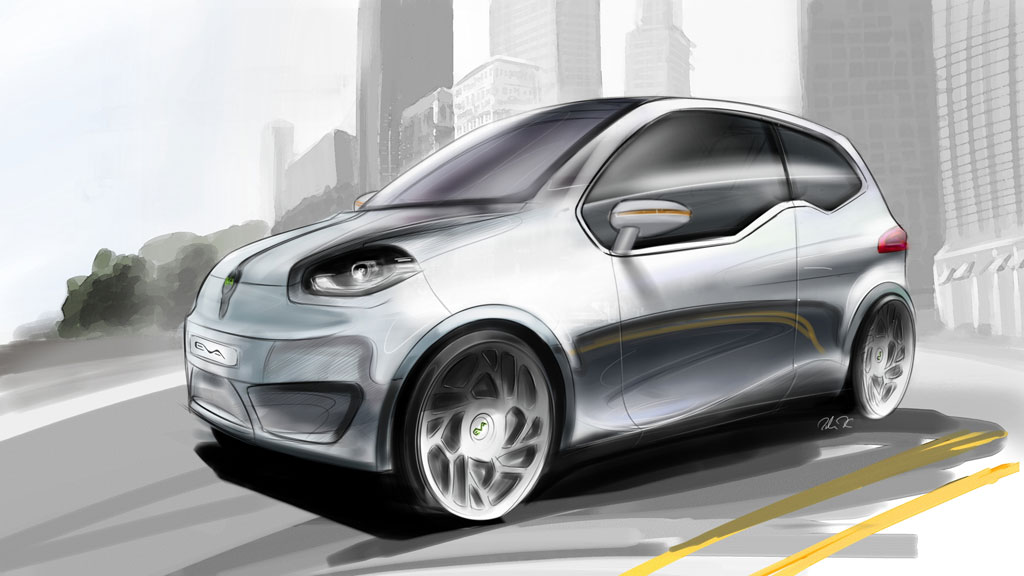
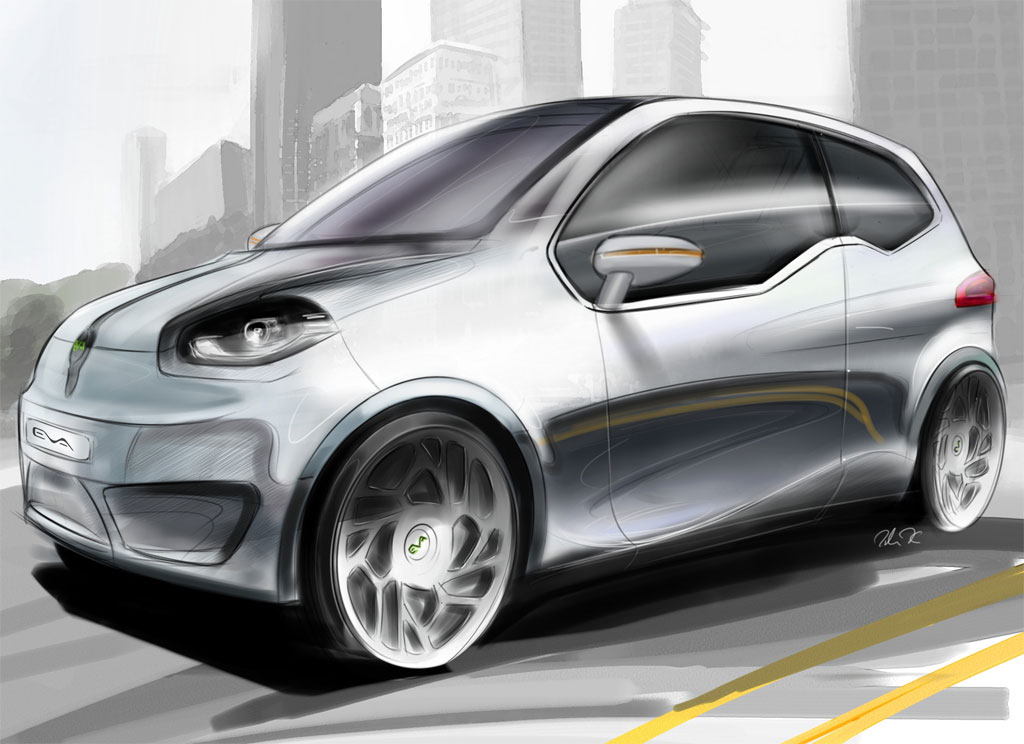
Geneva Motor Show: Valmet Eva

Valmet Eva

The new electric concept vehicle of Valmet Automotive gets its world premiere at the Geneva Motor Show on March 2-14th. "Eva" represents the company's latest know-how in new ecological vehicle technologies.

The concept vehicle is a 2+2 seat electric city car with a range of up to 160 km per one charge. In engineering the vehicle, lightweight and safe body structures have been combined with innovative electric and recharging systems.

Fortum, a leading energy company focusing on the Nordic countries, Russia and the Baltic Rim area, brought to the project its extensive know-how in recharging systems. Thanks to the cooperation with Nokia, the car is equipped with a pioneering Human Machine Interface through mobile handset connectivity. The booth will also showcase a demo based on NAVTEQ's high-quality map data and content which enables green routing and driving functionality use cases.

Valmet Eva

Valmet Automotive is a forerunner in engineering and manufacturing electric vehicles. Already last year the company started the series production of one of the world's first urban electric vehicle, the THINK City, as well as the luxury Golf Car Garia. Valmet Automotive is also an engineering and manufacturing partner of the world's first premium plug-in hybrid electric vehicle Fisker Karma. The production of the Karma will start later this year.

The manufacturing of Porsche Boxster and Porsche Cayman represents Valmet Automotive's experience and recognized know-how in the production of premium vehicles.

In line with its new strategy, Valmet Automotive today offers to its automotive customers a large portfolio of services from product and process engineering up to series manufacturing and business services.
Photos:zercustoms