
The Citroën Xsara is a small family car produced by French automaker Citroën from 1997 to 2006. Like its predecessor, the Citroën ZX, the Xsara shares running gear with the Peugeot 306. It came in three- and five-door hatchback and five-door estate body styles; the estate was marketed as the Break and the three-door as the Coupé. The straight-4 engine range includes 1.4, 1.6, 1.8 and 2.0-litre petrol engines as well as 1.6, 1.9 and 2.0-litre turbodiesels. The Xsara was 1998 Semperit Irish Car of the Year in Ireland. The original Xsara was launched in 1997, and was available with different engine choices:
* 1.4L (1361 cc 8 valve SOHC) 55 kW (75 PS; 74 hp) TU3JP 4 cylinder petrol 111 N·m
* 1.6L (1587 cc) 66 kW (90 PS; 89 hp) TU5JP 4 cylinder petrol 136 N·m
* 1.8L (1761 cc) 66 kW (90 PS; 89 hp) XU7JB 4 cylinder petrol
* 1.8L (1761 cc) 76 kW (103 PS; 102 hp) XU7JP 4 cylinder petrol
* 1.8L (1761 cc 16-valve DOHC) 82 kW (110 hp) XU7JP4 4 cylinder petrol 155 N·m
* 2.0L (1998 cc 16-valve DOHC) 99 kW (135 PS; 133 hp) XU10J4R 4 cylinder petrol
* 2.0L (1998 cc 16-valve DOHC) 122 kW (166 PS; 164 hp) XU10J4RS 4 cylinder petrol (used in Xsara VTS)
* 1.9L (1905 cc) 50 kW (68 PS; 67 hp) XUD9A diesel
* 1.9L (1868 cc) 51 kW (69 PS; 68 hp) DW8 diesel
* 1.9L (1905 cc) 55 kW (75 PS; 74 hp) XUD9B SD diesel
* 1.9L (1905 cc) 66 kW (90 PS; 89 hp) XUD9TE turbodiesel
* 2.0L (1997 cc) 66 kW (90 PS; 89 hp) DW10TD turbodiesel
Citroen Xsara Picasso Review

In 2000 the Xsara was facelifted; the car was now stiffer (so safety and handling improved), had a new front design and some interior modifications (i.e.: new steering wheel). New 1.6i and 2.0i 16 valve engines were being introduced and 1.8L were removed. Now Xsara is offered with following engine choices:
* 1.4L (1361 cc 8 valve SOHC) 55 kW (74 hp) TU3JP 4 cylinder petrol 121 N·m (catalyst and itsposition were changed)
* 1.6L (1587 cc 16-valve DOHC) 81 kW (109 hp) TU5JP4 4 cylinder petrol (new, replaced 8 valve TU5JP engine)
* 2.0L (1998 cc 16-valve DOHC) 122 kW (164 hp) XU10J4RS 4 cylinder petrol (used till 2002)
* 2.0L (1998 cc 16-valve DOHC) 101 kW (135 hp) EW10J4 4 cylinder petrol (new, replaced XU10 engine)
* 1.4L (1398 cc) HDI 50 KW 68 PS DW4TD 01. 2004-31.12.2004
* 1.9L (1868 cc) 51 kW (69 PS; 68 hp) DW8 diesel (used till 2002)
* 1.9L (1868 cc) 53 kW (72 PS; 71 hp) DW8B diesel (new)
* 2.0L (1997 cc) 66 kW (90 PS; 89 hp) DW10TD turbodiesel (catalyst was changed, later central silencer was removed)
* 2.0L (1997 cc) 79 kW (107 PS; 106 hp) DW10ATED turbodiesel (new)
In line with other models from the same company at the time, the Xsara largely sold on price because of stiff competition from the class leader, the Renault Scenic. The 2002 model had slight interior modifications (i.e.: a different way of controlling the sound system from the steering wheel). In 2003 there were also some exterior modifications (i.e.: new front bumper). The Xsara hatchback was discontinued and replaced by the stylish[citation needed] C4 in 2004. The Xsara continues to be produced for the Chinese market by Dongfeng Peugeot-Citroën Automobile, a joint venture with the PSA Group.

Citroen Xsara Picasso Baggage

Citroen Xsara Picasso Interior

The Xsara Picasso was Citroën's answer to the enormously popular compact MPV Renault Scénic when it went on sale late in 1999 with two trim levels - LX and SX, and three engines - a 1.6 and 1.8 litre petrols, and a 2.0 Litre HDI engine. The Executive trim level was introduced to the UK market in late-2000. The rear seats could be removed to create extensive storage space. It soon became the bestselling multi-purpose vehicle and Compact MPV in France, Great Britain, and most of the rest of Europe.[citation needed] The Xsara Picasso was assembled on the PSA plant on Vigo (Spain) and also built in Brazil for the Latin American market since 2001, where it is the top selling car in its class. In early 2003 the Xsara Picasso in the UK was given a 2.0i 16v engine version with a four-speed Automatic gear box .[citation needed] In August 2006, Citroën unveiled its successor Citroën C4 Picasso, based on the Citroën C4. There are two versions, the Grand C4 Picasso seven-seat and the slightly smaller five-seat C4 Picasso. As of June 2010, the Xsara Picasso is no longer listed on Citroen's UK price range, although it is still marketed in other countries e.g. in Belgium. The Xsara World Rally Car, based on the road-going Xsara hatchback but ultimately having very little resemblance to it under the skin, was one of the most successful cars ever to compete in the World Rally Championship. The car took Frenchman Sébastien Loeb to 28 rally wins, three consecutive Driver's Championship titles from 2004 to 2006, Citroën Xsara WRC and Citroën to three consecutive Manufacturer's Championship titles in 2003, 2004, and 2005. Although it is the Frenchman who has proved the archetype Xsara WRC pilot virtually since its 2001 conception, Jesus Puras, Carlos Sainz and François Duval are the other drivers to have won. 2003 world champion Petter Solberg drove a 2006-spec Xsara for the majority of the 2009 season, which was entered by his own Petter Solberg World Rally Team.

 Exotic Citroen Survolt With Beautiful Lighting
 Elegant Citroen Survolt Show Up
 Citroen Survolt Concept
 Citroen Survolt Exotic Interior
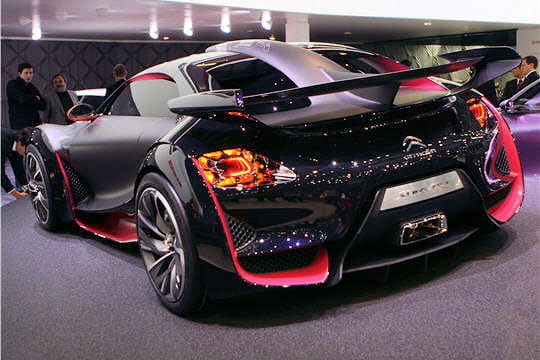 Citroen Survolt From Back Side
 Sporty Citroen Survolt
 Citroen Survolt Art Painting
 -->
-->
 The GT by Citroën (sometimes spelled GTbyCitroën) is a sports car that debuted as a concept car on October 2 at the 2008 Paris Motor Show. The car is a collaboration between the French automaker Citroën and the Japanese racing simulation developer Polyphony Digital. 6 cars are said to be built. The expected MSRP is $2,000,000.The GT by Citroën concept car was specially created, designed and produced for the upcoming video game Gran Turismo 5 and was included through download in its latest version Gran Turismo 5: Prologue. Its designer came up with the project and sold it to both Polyphony Digital and Citroën.The car's exterior design was made by Takumi Yamamoto, a Japanese designer from Jean-Pierre Ploué's Style Citroën design team. Takumi Yamamoto was a childhood friend of Kazunori Yamauchi, director of Polyphony Digital and creator of the popular Gran Turismo franchise, also known as "Gegge". According to a Yamauchi interview at the Paris Motor Show 2008, he and Yamamoto started collaborating on this project back in 2003. A press release published on the North American Gran Turismo official website describes the Citroën and Polyphony Digital collaboration as a « a joint effort first talked about at the Geneva Motor Show past March [2008] ». Yamamoto convinced Jean-Pierre Ploué to submit his concept to Citroën's head office in Paris who agreed to start the production process and manufacture the real car. The concept car's rear was carefully designed to fit what the gamers will actually see in the game since it is the more powerful featured vehicle, argues Yamamoto.
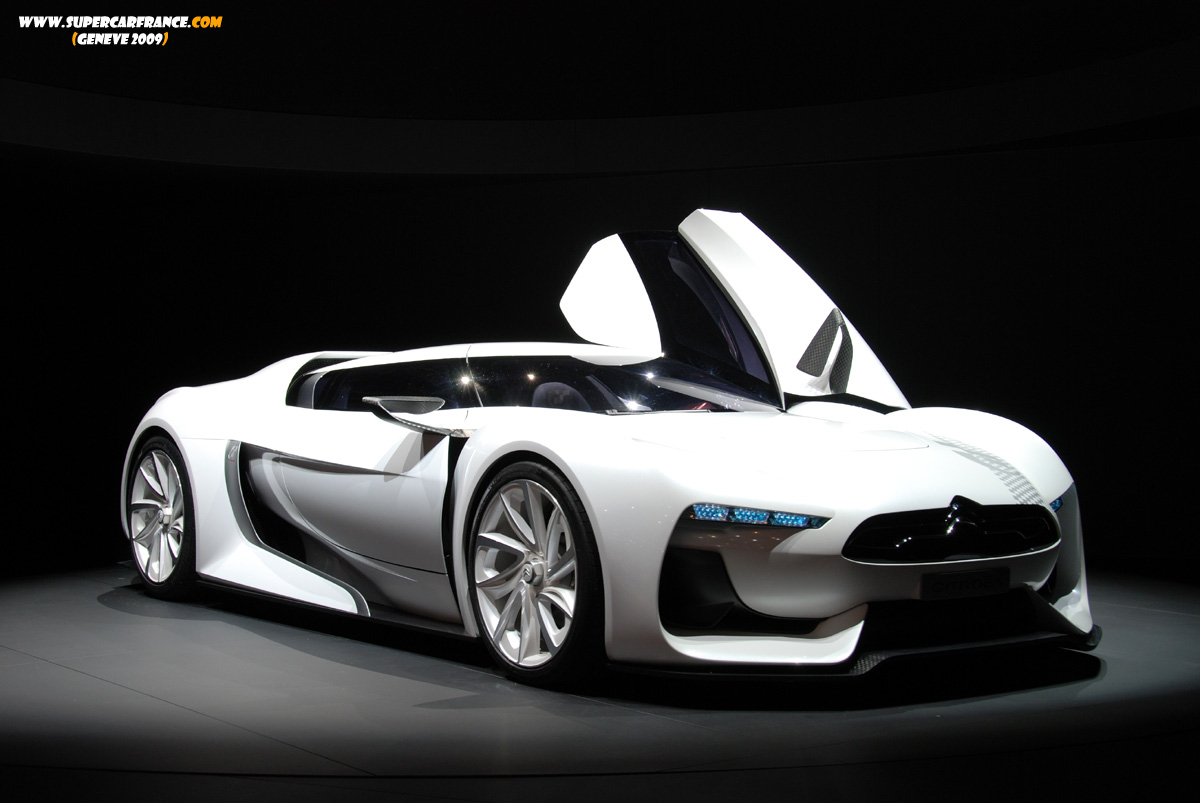 As a world leading racing simulation developer shipping more than 50 million copies since 1998 Polyphony Digital had collaborated with real life Japanese performance parts makers and tuners, mainly related to Nissan, since January 2002. Notable collaborations include aero parts development for the Nismo Fairlady Z s-tune (2002), Nismo Skyline Coupé (2004), Amuse S2000 Street Version (2003), Nismo Fairlady Z (2005), Opera Performance's Carmate Opera Z (2005) Tokyo Auto Salon show car. Polyphony Digital also did exterior design for the Amuse S2000 GT1 (2005) and artwork design for the Formula Nippon racing team Impul racer (2006). Most of these cars had their virtual counterpart featured in the Gran Turismo games as "Concept by Gran Turismo". Some of the parts designed by Polyphony Digital such as the Carmate Opera Z's full aero kit including front bumper, sideskirt, rear bumper and rear spoiler, were eventually manufactured and sold by Japanese tuner Opera Performance as the 350Z RS aero kit. Latest collaborations include interior design of the Nissan GT-R with the creation of the Multifunction Meter device (2007) and aero parts design for the Amuse GT1 Turbo (2008). The GT by Citroën project with its complete production process is a step further in design for Polyphony Digital. The car in the game features a fuel cell powering four electric motors delivering 780 bhp (582 kW; 791 PS), however the real car has a V8 petrol engine. The car's weight is 1,400 kg (3,086 lb). In June 2009, Citroën confirmed plans to produce a limited number of GTs for sale to the public. Only six will be built, each costing $1.8 million. In July 2010, rumours that production was suspended began to surface. Although the car was powered by hydrogen fuel cells in the game, the real car is powered by a conventional V8 petrol engine built by Ford. The car weighs 1,400 kg (3,086 lb) with the petrol engine in.
 Citroen GT Racing Concept
 Amazing Citroen GT
 Elegant Citroen GT
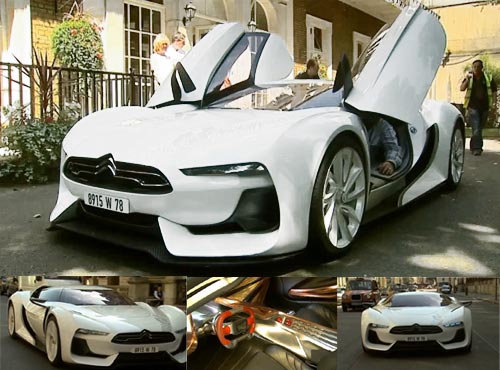 Citroen GT View Detail
 Citroen GT Interior


 The Citroën Xsara is a small family car produced by French automaker Citroën from 1997 to 2006. Like its predecessor, the Citroën ZX, the Xsara shares running gear with the Peugeot 306. It came in three- and five-door hatchback and five-door estate body styles; the estate was marketed as the Break and the three-door as the Coupé. The straight-4 engine range includes 1.4, 1.6, 1.8 and 2.0-litre petrol engines as well as 1.6, 1.9 and 2.0-litre turbodiesels. The Xsara was 1998 Semperit Irish Car of the Year in Ireland. The original Xsara was launched in 1997, and was available with different engine choices:
 Citroen Xsara Picasso Baggage
 Citroen Xsara Picasso Interior
 The Xsara Picasso was Citroën's answer to the enormously popular compact MPV Renault Scénic when it went on sale late in 1999 with two trim levels - LX and SX, and three engines - a 1.6 and 1.8 litre petrols, and a 2.0 Litre HDI engine. The Executive trim level was introduced to the UK market in late-2000. The rear seats could be removed to create extensive storage space. It soon became the bestselling multi-purpose vehicle and Compact MPV in France, Great Britain, and most of the rest of Europe.[citation needed] The Xsara Picasso was assembled on the PSA plant on Vigo (Spain) and also built in Brazil for the Latin American market since 2001, where it is the top selling car in its class. In early 2003 the Xsara Picasso in the UK was given a 2.0i 16v engine version with a four-speed Automatic gear box .[citation needed] In August 2006, Citroën unveiled its successor Citroën C4 Picasso, based on the Citroën C4. There are two versions, the Grand C4 Picasso seven-seat and the slightly smaller five-seat C4 Picasso. As of June 2010, the Xsara Picasso is no longer listed on Citroen's UK price range, although it is still marketed in other countries e.g. in Belgium. The Xsara World Rally Car, based on the road-going Xsara hatchback but ultimately having very little resemblance to it under the skin, was one of the most successful cars ever to compete in the World Rally Championship. The car took Frenchman Sébastien Loeb to 28 rally wins, three consecutive Driver's Championship titles from 2004 to 2006, Citroën Xsara WRC and Citroën to three consecutive Manufacturer's Championship titles in 2003, 2004, and 2005. Although it is the Frenchman who has proved the archetype Xsara WRC pilot virtually since its 2001 conception, Jesus Puras, Carlos Sainz and François Duval are the other drivers to have won. 2003 world champion Petter Solberg drove a 2006-spec Xsara for the majority of the 2009 season, which was entered by his own Petter Solberg World Rally Team.


